
BOOTHSMANSHIP
- Carl Henry
- May 10, 2024
- 8 min read
Updated: Jan 3, 2025

At this point, you should begin to understand that successful trade show selling relies on careful planning, efficient use of time, and leveraging the vibrant atmosphere. It's time to apply this understanding. In this blog, we'll discuss "boothsmanship" – my term for the blend of entertaining, prospecting, and qualifying skills you need to excel in your trade show selling endeavors.
The process begins before you encounter your first visitor. This is because preparation is crucial. Ensuring you have a clean, pressed suit, corporate attire with your company logo, ample effective sales materials, and are ready to make a great impression are essential steps. Advising professionals to maintain a healthy diet, get adequate rest, and enhance their product knowledge might seem simple, but it has significant real-world effects. You can't succeed if you're not prepared to participate.

Arriving early on the first day and exploring the trade show floor is a wise strategy. Discover what other groups are showcasing, the new products they plan to reveal, and, most importantly, what will be on the minds of your buyers. Just as understanding your competition is crucial in any sales environment, it's beneficial to identify where the excitement is at the show. Ideally, it should be centered around you and your company. If not, it's far better to know this in advance than to be caught off guard by your prospects later.
Finally, ensure you adopt the right attitude. Trade shows are centered around enthusiasm and energy. You don't need to leap out of your booth like a mad person but keep your energy levels high. Smile, move around a little; the more you behave as if you're in a good mood, the more likely you will actually feel that way. Many things vie for your buyers’ attention, and the last thing you want is for any negativity to deter them.
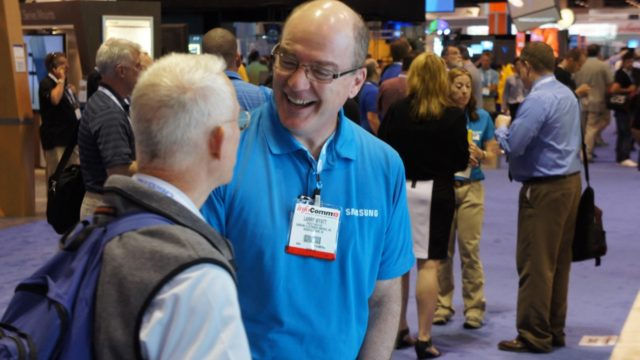
The primary—and perhaps most crucial—boothmanship skill is greeting people effectively. Although it may seem that professional salespeople don't need much guidance in this area, I've witnessed enough poor introductions to think otherwise. When someone passes by your booth, they should instantly perceive you as a capable and upbeat professional. This means avoiding the temptation to mumble, gaze at your feet, or fidget with brochures while potential customers walk by.

Similarly, aim to greet each person with something engaging yet non-threatening. A personal favorite of mine is, "What was it about our booth that caught your eye?" This simple question encourages an open response and may lead to a discussion about the person's background or needs. Most importantly, it demonstrates that you are focused on assisting them. Many lazy salespeople and trade show teams begin conversations by talking about the weather, asking if the visitor watched the game last night, or even mentioning how their feet hurt. None of these approaches leave a good impression or bring you closer to making a sale.
After introductions are complete, the focus shifts to qualifying. You need to determine who your new prospect is, which company they represent, and if they have a current or future buying interest. Additionally, if possible, identify whether they are part of a buying team and recognize their dominant personality style traits. Remember, to succeed at a trade show, maintaining the selling process is crucial. This advice remains relevant. Although the pace will be quicker than in phone or other settings, understanding the customer's needs and wants is foundational for everything that follows. Avoid bypassing this step and jumping straight into your sales presentation.

Actually, I suggest you try a method I often discuss in my other books and seminars: Take out a clean sheet of paper – or in this case, perhaps a small pocket-sized notebook – from your pocket. Writing notes while your prospect is speaking not only helps you remember to ask the right questions, but it also demonstrates that you're attentive to what they're saying. Even a few notes scribbled on a napkin can prove very useful later. This is because, regardless of how intense the conversation is, trade shows are fast-paced. Being deeply engaged with a prospect and potential sale now doesn't guarantee you'll recall the conversation later – especially after speaking to another fifty people. Follow my advice and jot down a few notes immediately; it can save many sales in the upcoming weeks and months as you follow up.
A quick word of caution when attempting to qualify prospects rapidly: Avoid fixating on name tags. What does this mean? It's natural, particularly when aiming for significant sales swiftly, to seek out prospects who can assist us and overlook others. Typically, this manifests as someone at a trade show booth disregarding potential customers outside their territory. Since no commission is earned from those sales, they attempt to deter these individuals and concentrate solely on clients within their region.
This is a significant error for several reasons. First and foremost, any sale that generates new revenue for your company is beneficial. This means more funds for research on new products, sales incentives, improved customer service, and more. Secondly, you never know who that individual might introduce you to or what other connections they have in the purchasing chain. The prospect you just overlooked might have a colleague in your area interested in your offerings, so keep that in mind. Lastly, understand that a successful trade show team resembles a pit crew in a car race – everyone must work together swiftly and efficiently for your team to succeed. Coordinate with other salespeople to qualify prospects and share them, or take detailed notes and pass on the relevant contact information. Generally, this won't take much time, and the long-term benefits can be substantial. Ultimately, trade show selling is a team effort, so be a team player.

Imagine you've identified a prospect with a clear need and some interest in your products. What should your next step be? Given the limited time, you need to make some decisions. If you suspect the prospect is not very enthusiastic or lacks decision-making authority, I suggest taking detailed notes at the booth and scheduling a definite follow-up. While it may not be as beneficial as an immediate sale, it’s preferable to just collecting their business card and leaving your potential sale to chance. Keep in mind, once you both return to your offices and daily routines, the likelihood of a successful proposal decreases significantly. Increase your chances by setting the most specific appointment possible.

Conversely, if the buyer has an urgent need and you believe you can secure a deal at the trade show, I suggest finding a quiet spot away from the trade show floor for a brief discussion. Many venues provide designated rooms for this purpose, but if none are available, consider a lobby or a nearby coffee shop. It's wise to scout these locations in advance to ensure quick access and minimal distractions.
One valuable tip I can share from attending numerous trade shows is not to ignore meeting opportunities outside of your booth hours. Many salespeople plan dinners and cocktail events with top clients, but breakfast and lunch are often neglected. Your prospects will still be eating and are open to listening during these times, so why not make productive use of them?
No matter where you meet, aim to accelerate the sale. Use your face-to-face interaction with the customer to uncover their true needs. What aspects of their situation are causing them concern, and what types of solutions could improve it? This is the information you would seek in any sales scenario; at a trade show, you'll simply obtain it more quickly.

Working a trade show booth is similar to speed dating. You'll encounter numerous potential customers, and to maximize this opportunity, quick decision-making is essential. Being able to swiftly qualify visitors while keeping their interest is a crucial skill worth honing before the event starts. Practice asking effective, open-ended questions and quickly arranging follow-up appointments. Your aim should be to identify the best prospects within minutes, using enthusiasm and personal interaction to swiftly move the sale forward. Once you've achieved this, you'll be prepared to deliver impactful onsite presentations.
Pullout: Trade Show Time Management
Similar to how dieting involves steering clear of unhealthy foods as well as choosing the right ones, effective time management at trade shows requires not only swiftly identifying the best prospects but also avoiding spending precious time with individuals who are unlikely to make a purchase. Regrettably, many such individuals will be present alongside your potential customers.
Fortunately, most of these individuals will be easy to identify immediately. The first group consists of students. Young people can be enjoyable to converse with because they often bring a level of energy and enthusiasm to an industry trade show that exceeds what others experience. It might be their first time at a professional event, and they are brimming with questions and ideas, all of which they are eager to discuss with you extensively. However, despite their entertaining nature, students typically aren't in a position to make purchases, so it's best to keep your interactions with them brief and offer your contact information if you wish to address some of their questions when you're less occupied.
An exception to this rule occurs when your company is hiring or focusing on collaborating with young individuals. I know a manufacturer that actively engages students with their products. They believe that spending a few minutes demonstrating how things work can create lifelong customers, and they have found success with this approach. Therefore, if this is part of your sales strategy, you should follow the direction given by your sales manager. Even if it's not, avoid being dismissive towards college students or recent graduates seeking to make connections. Often, they are eager to learn about the industry and share their enthusiasm, and you never know—they might end up working for, or being connected to, one of your major prospects or clients.
Another group that can hinder your productivity is retirees. These individuals have recently left the industry or are about to. They attend trade shows to assist with transitions or remain involved with an association. With plenty of free time, they might engage you in lengthy storytelling or extended conversations. The guideline is to remain courteous and polite, but avoid spending significant time with someone who lacks purchasing needs or authority.
Lastly, there are the typical contacts who are "just browsing" without any need for your products or authority to make decisions. If you've been in sales for some time, you've likely met countless individuals like this and know the drill: gather their information, qualify them as much as you can, and then shift your focus to genuine prospects. They may be delightful, entertaining, or captivating, but one thing is clear – they aren't purchasing.
Many experienced trade show participants find it useful to assign one or two members of their booth team as a "sweeper," or to rotate this role among team members. What is the role of a sweeper? Their responsibility is to engage students, retirees, and other non-potential clients while the sales team focuses on qualifying visitors. They might show a short video or conduct a quick, entertaining product demonstration to attract more traffic. Regardless of the method, their primary goal is to divert unqualified prospects from the occupied sales team.
Sweepers can either stay alert for potential targets or wait for a code phrase from a sales team member, but they should be prepared to engage visitors as necessary. Many companies overlook using them, yet they can significantly impact the profitability of your trade show booth.
Although this section primarily focuses on timewasters, as they often pose the greatest challenge, it's important to note the opposite scenario: Among your regular buyers, you'll also find "super prospects," the C-Level executives who establish purchasing policies for their companies and have the potential to transform your career instantly.
Considering that many organizations invest substantial amounts, often reaching seven figures, in their trade show booths, travel, and products, it's certain that the individuals authorizing these expenses will attend. They might not participate in the general sessions, but they will likely make a couple of rounds on the floor to check out the latest trends and hear the buzz. Ideally, you should already recognize the key names and faces to watch for, so you're ready if one of them walks by. If that's not feasible, at least have a strategy ready in case you encounter someone capable of making a significant purchase from you. Such opportunities are rare and fleeting, so stay alert.


Comments