
Event Planning - Managing Guests / VIPs (Part III)
- Sean Spence
- Oct 10, 2024
- 4 min read
Updated: Oct 11, 2024
Minimizing Downtime

When creating the program, ensure that guests are occupied and not left with excessive idle time. For a short event, aim for no more than five to ten minutes of downtime; for a longer multi-day event, you can allow up to an hour or more. Regardless of the event duration, ensure the agenda clearly outlines the activities so attendees are informed of expectations and upcoming events, even during unplanned intervals.
At the Tables
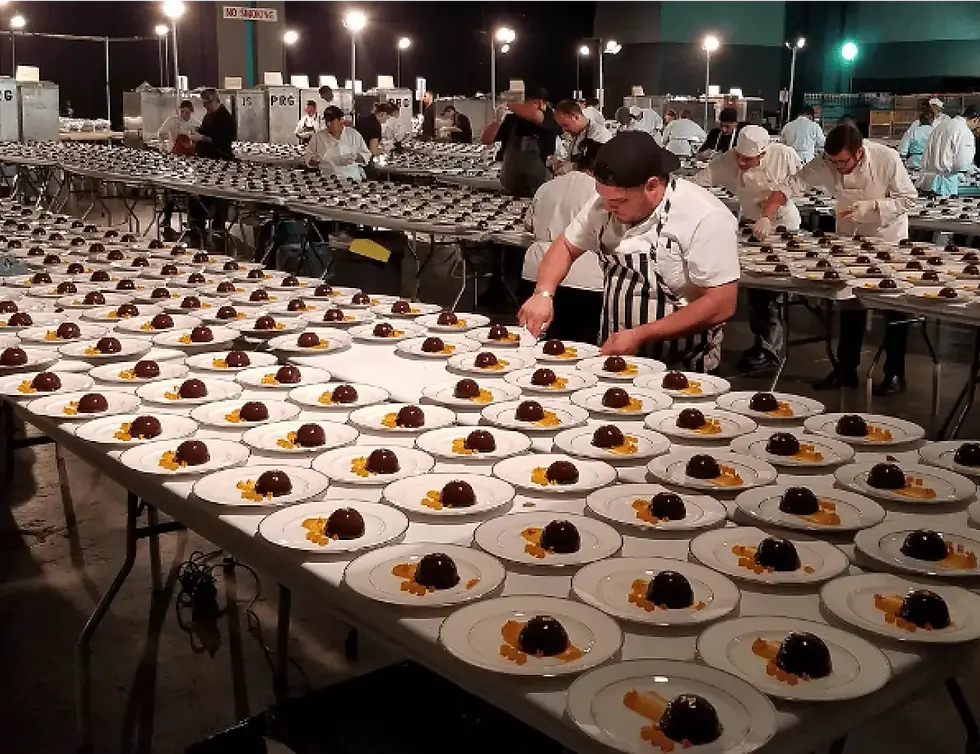
When it comes to table-service events, as a manager, there is minimal action required on your part. Your main responsibility is to monitor the situation closely and be prepared to address any issues that may arise.
Recently, I organized an awards luncheon for 225 people. Timing was crucial, and we had given specific instructions to the venue staff on when to serve the meals (e.g., "start serving salads at the event's official start time and serve the main course exactly 10 minutes later"). However, 20 minutes into the event, the servers had not begun serving the main courses. It was my responsibility to address the issue promptly to ensure that the plates were on the table as soon as possible (in a 90-minute event, 10 minutes can make a significant difference). Resolving the situation involved having a direct conversation with the catering manager, but we managed to get everything back on track, and the event proceeded smoothly.
Typically, seated events involve some form of seating arrangement. At a minimum, you will probably have a few assigned tables. Occasionally, you may need to organize the seating by individual seats - this process is not overly complex; it just requires careful planning in advance.
In the Food Line (if it is a buffet)

For every 100 to 200 people, set up one food table with serving lines on both sides.
For a self-serve buffet, make sure to have a minimum of two staff members assigned to each food table. Their role will be to transport food between the kitchen and assist guests with any inquiries or issues.
Organizing a retirement dinner for the mayor of Columbia, Missouri, with approximately 100,000 residents, was one of the most elaborate events we have ever hosted. The mayor, who had served for 15 years (the longest term in history), was retiring, and it was expected that the event would be attended by a large number of guests and VIPs.
From this event, we gained numerous valuable insights, but I will recount two specific anecdotes.
We erred in assigning an older individual to the sign-in role, who perhaps was not the best fit for the task. Although we had four people designated for the sign-in table, one absence would have been manageable if not for this particular weak link. This resulted in a bottleneck at the line, causing significant frustration. I will never again overlook the importance of carefully selecting sign-in personnel.
The program was executed flawlessly because we had diligently communicated each participant's role, expectations, and time constraints multiple times in writing before the event, and again through written instructions distributed upon their arrival. Given that we had 16 speakers and a video presentation on a 150 square-foot screen, the fact that we concluded on time was quite satisfying.
VIPs

When it comes to VIPs who are part of your program, it is crucial to ensure they are always kept informed. Avoid situations where they are unaware of events or their responsibilities. Provide ample information through verbal communication and written updates.
When VIP guests who are not part of the program are present, one of the main considerations is whether to introduce them. It can enhance the prestige of the event by showcasing the notable individuals in attendance, but there is also the possibility of inadvertently leaving some out. Additionally, it's important to assess if certain VIPs align with the event's brand, such as having political figures at a children's event, and factor that into your decision-making process.
Getting VIPs to Agree
Simply put, just ask. Don't stress about receiving a "no" - it's a normal occurrence. The reality is that rejection is inevitable at times. VIPs may reject you for various reasons, both valid and not. The key is to overcome your fear of rejection and pose the question. If you hear a "no", try asking again or approach someone else.
Remember the concept of "the domino theory." Essentially, it suggests that in order to persuade a series of important individuals (similar to a row of dominos) to agree, you must secure the initial agreement. Once you obtain the first agreement, subsequent ones will come more easily, making it simpler to reach higher-ranking individuals. Use any means necessary to obtain that initial agreement.
When you do not know someone's name, but should
Frankly, there isn't much you can do in such circumstances, but it's important to acknowledge that these situations may arise. Occasionally, you can discreetly excuse yourself and ask another person to assist them, with the intention of obtaining the name for you. If you are directly confronted, simply admit, "I'm terribly sorry, but I've completely forgotten your name. Could you remind me?" Then smoothly transition to the next topic; it's a common occurrence, and people will understand.
The Internal Agenda
There are two agendas to consider: the one for your guests and the internal agenda meant for staff and program participants only. The internal agenda usually contains specific details like the duration of each program segment, guidelines for speaker transitions, and any special instructions for staff or participants. When executed correctly by providing the necessary information, the internal program significantly influences the event's outcome. Distribute a copy to those who require it before the event starts and attach another copy to the lectern.


Comments