
Event Planning - After the Event
- Sean Spence
- Dec 16, 2024
- 4 min read

Alright, your event has concluded, and you're beginning a new day after a restful night's sleep...what's next? You're not finished, are you? Naturally, there's more to do! You need to wrap up your event and maximize its benefits.
Consider asking yourself three questions:
What unfinished tasks remain?
Whom should I acknowledge?
What additional actions could enhance marketing or strengthen relationships?
Outstanding Bills
Review your budget to ensure no one is overlooked. If you're organizing a straightforward event lasting only a few hours, you likely won't have any unpaid bills the following morning. Caterers, venues, and entertainers usually need to be paid before the event begins or right after it ends, before you depart. Printers often require payment upon delivery. For small events, there aren't many expenses that won't demand immediate payment.
Major events may have numerous unpaid bills, including rental services for tables, chairs, linens, additional staff, and advertising costs.
Thank You Notes
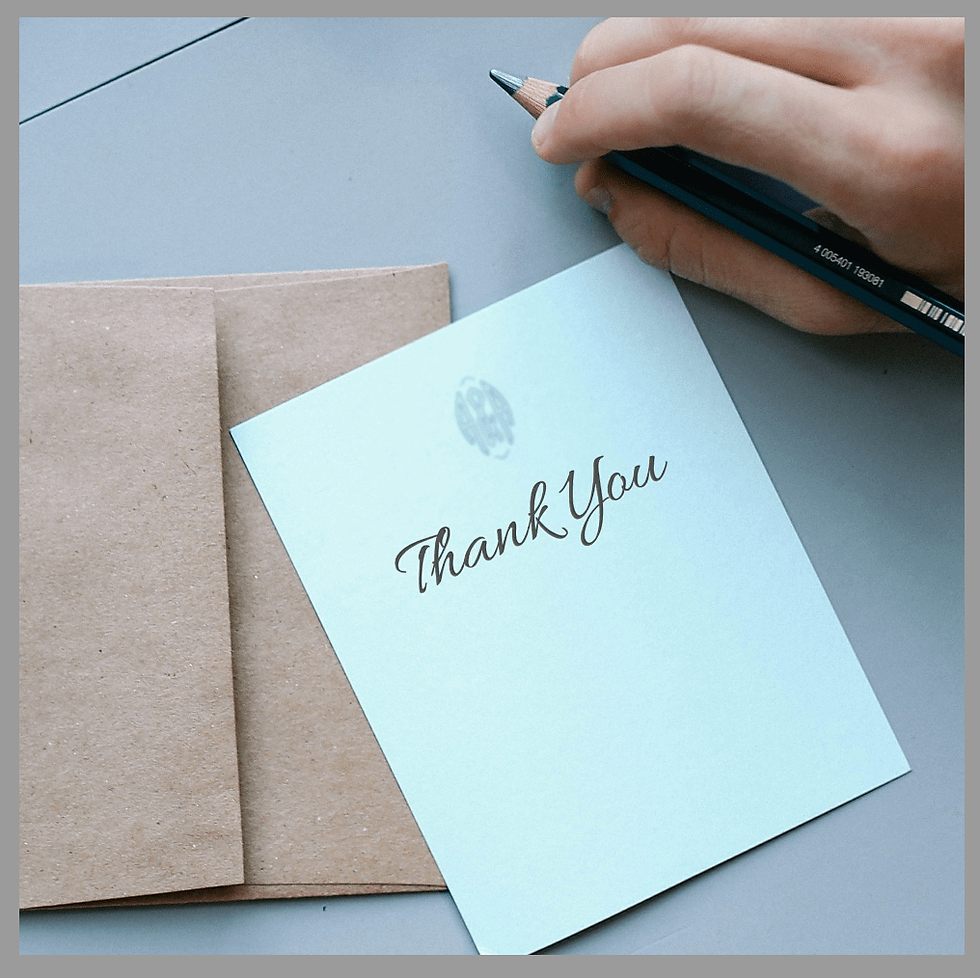
Who actually writes thank you notes by hand these days?! Almost no one. Taking the time to do so will set you apart, make others feel valued, and help them remember you. It also provides another chance to communicate any message you wanted attendees to remember from the event.
Whom do you thank?
Attendees
Financial backers
Event contributors
Suppliers
All individuals who contributed to the event's success.
If the number of people is too large for hand-written notes—typically 100 or more, depending on your available time, unless you're simply unwilling to make the effort—at least review the list and highlight those who have been most helpful, those you are familiar with, and those you wish to get to know better.
Evaluations

Urging event participants to submit written feedback offers a chance to enhance future events and conveys to your guests that their opinions matter to you.
Timing
Evaluations may be distributed at the conclusion of an event (or even at the end of each session) or sent via email to attendees within a day or a few days afterward. Alternatively, you can do both—hand out an evaluation form at the event's end and send an online questionnaire a few days later.
Online vs. Print
Printed evaluations are beneficial as participants typically complete them while attending the event, resulting in a higher return rate.
Online evaluations are useful if you haven't provided a printed version. Sending them also offers a good opportunity to reiterate the message of your event once more.
Keep it short
No matter the format or delivery method, evaluations should be brief. For a written handout, limit it to 10-15 questions; for online evaluations, stick to five or six questions. Generally, people have a limited attention span when completing evaluations.
Combination of Y/N and essay
It's important to keep evaluation forms concise, but with three to six questions, you can include a few long-form questions in addition to the yes/no options.
Database/List Clean Up
For nearly any event, you'll encounter names with outdated contact information. If you haven't been updating them consistently, take the time at the end of your event to make all necessary updates.
If you frequently host events and have a database essential to your success, consider keeping these data fields updated and useful:
Events attended - a list of your events that the individual has participated in
Contact - the month of the last significant contact - certain software packages offer a method to maintain the exact date of all interactions, which might be necessary for you. For most of us, tracking the month of the last major contact suffices. A useful approach is to note any month with written correspondence.
Interactions - a section to log brief descriptions of important interactions, such as "met at school" or "was keynote speaker at the 2010 accountants event."
Details - a section to note characteristics you wish to remember, like "allergic to strawberries" or "enjoys skiing."
Network - if you organize numerous events, there will be individuals who should be invited to specific types of events, others to different types, and some to various types. It is helpful to categorize people into networks relevant to the types of events you host, such as "business," "health," or "women."
Sharing with people who did not attend
You hosted a successful event, though not everyone could attend. Sharing parts of the story is an excellent way to strengthen your goals beyond the event's immediate effect. Here are some methods to achieve this:
Create a list of individuals who might be interested and email them a short (200 words or less), friendly, informal summary of the key points.
If you blog about your events, simply send a link with a short message like "I thought you'd like to read about this week's conference/fundraiser/party."
If you have digital photos, send a few or provide links to them on your website. Sending people pictures of themselves can be a particularly nice way to conclude your event.
If there was any media coverage, share a link or two.
Use Facebook to post photos and a brief recap of the event.
Wrap-up Memo

To truly stay organized and continually improve your events, it's essential to dedicate time to writing a wrap-up memo for future reference. This memo should address the following questions:
When did the event take place?
How many individuals were present?
Who received invitations? (categories/database criteria)
Which vendors participated?
What was the venue?
How was the venue arranged?
What was the schedule?
How did the event proceed? What was successful? What wasn't?
What suggestions do you have for future events of this kind?
KEY QUESTIONS:
Do any bills require payment?
Who should you express gratitude to?
How can you further capitalize on your event's success?
What issues occurred?
Who performed well for you?
Who was less helpful than desired?


Comments