
Event Planning - The Program (Part II)
- Sean Spence
- Nov 11, 2024
- 2 min read
Dancing

Offering dancing as an option can be a fantastic addition to your program, particularly for an evening event. To ensure its success, make sure you have ample space, suitable flooring and lighting, and great dance music.
Games/Activities
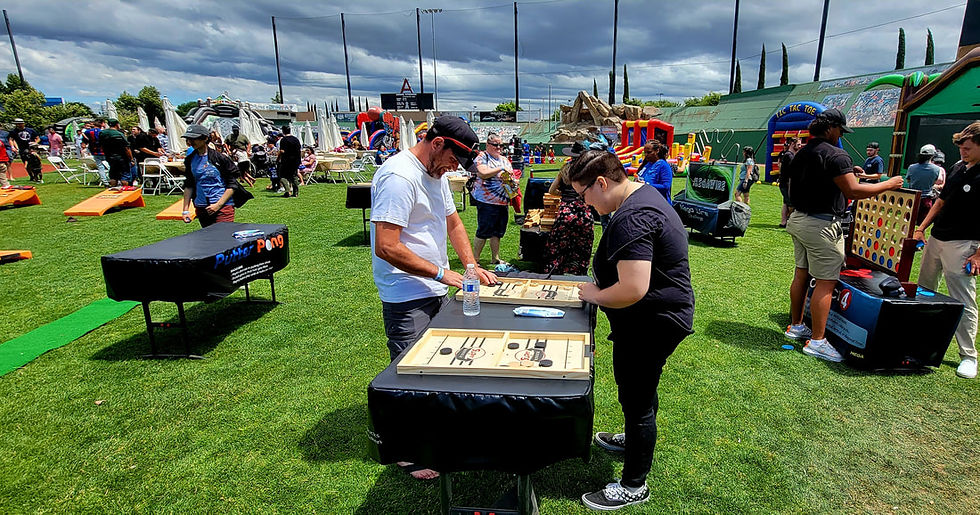
Games and group activities can be very memorable. They are not common, which makes them even more enjoyable. When organizing games, ensure you have sufficient staff to assist, provide any necessary explanations of the rules, keep it brief, and be mindful of the duration to ensure guests are still enjoying themselves when it ends.
Keeping People on Track

Staying on schedule is a key indicator of a well-organized event. Adhering to the timetable demonstrates respect for your audience, as extended events can lead to attendees becoming irritable. Ending a bit early is always a pleasant surprise for everyone.
Below is a reliable list of steps to follow when punctuality is crucial (which it should always be):
Before the event, make sure to remind speakers about the time limit on at least three occasions in writing, and once more as they arrive.
Place a notice on the lectern to prompt speakers about their time restriction.
Ensure there is a small digital clock on the lectern for speakers to easily keep track of the remaining time.
Assign someone to act as an unofficial timekeeper; position them within the speaker's view and inform the speaker that this individual will rise when there are 30 seconds left on the speaker's allotted time.
Rehearsing
While you may not need to rehearse for most events, if your program is complex with many components, rehearsing to some extent is one of the few ways to ensure it runs smoothly.
Facilitating Mingling

If there are 50 or fewer attendees at an event, you might want to think about including "mingling facilitation" in your hosting responsibilities. With a larger number of guests, you won't have enough time.
When the numbers are accurate, consider two approaches to socializing. Firstly, seek out individuals who appear to be not having a good time, engage in conversation with them, and then introduce them to someone - or a group - with whom they are likely to have a good time. Secondly, identify individuals who would benefit from getting to know each other and facilitate the introduction.
Consider the possibility of assigning one or two volunteers to concentrate solely on this particular task.


Comments